
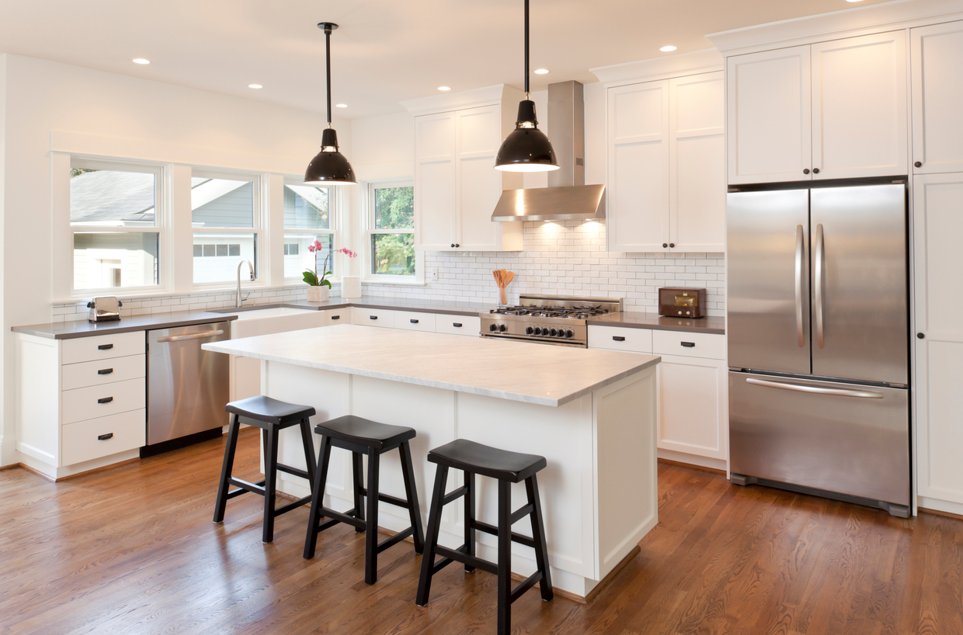
Transitional kitchen design is increasingly favored by homeowners seeking a refined balance between classic character and modern simplicity. By blending the warmth of traditional detailing with the clarity of contemporary design, this approach creates a space that feels both timeless and current. Whether you are planning home remodeling or looking to thoughtfully update an existing space, mastering transitional design allows you to achieve a kitchen that is elegant, functional, and enduring. In Wayne, this style is particularly well suited to homes that value architectural heritage while embracing modern living.
Understand Transitional Kitchen Principles
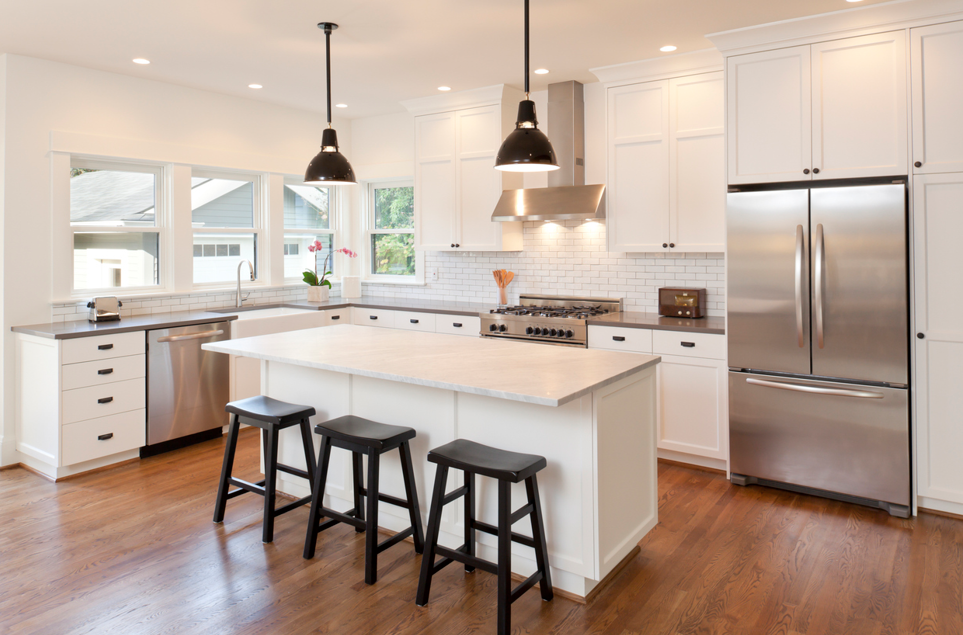
At its core, transitional design is about harmony. It thoughtfully integrates traditional elements with modern features, resulting in a cohesive and sophisticated aesthetic. This might include pairing shaker-style cabinetry with streamlined countertops, incorporating classic millwork alongside contemporary appliances, or introducing vintage-inspired lighting above a clean-lined island.
This balanced approach respects the architectural integrity of the home while enhancing usability. Cottage Industries, Inc. frequently applies these principles in projects where historic restorations are central to the renovation process, ensuring each space reflects both heritage and modern refinement.
Choose the Right Cabinetry and Surfaces
Cabinetry establishes the foundation of a transitional kitchen. Clean lines and understated profiles are essential, making shaker or lightly paneled cabinets an ideal choice. Ornamentation should remain subtle, allowing proportion and craftsmanship to take center stage. Neutral finishes, such as soft whites, warm grays, or natural wood tones, create a refined and adaptable palette.
When paired with premium stone surfaces like quartz or granite, the result is a polished and enduring finish. Hardware selections further refine the look. Brushed nickel, matte black, and warm brass provide a sophisticated accent while maintaining a sense of restraint. Custom cabinetry ensures that every detail aligns seamlessly with the home’s architectural language.
Harmonize Colors and Materials
A well-composed color palette is essential to achieving a cohesive transitional design. Neutral tones create a timeless backdrop, allowing architectural details and material textures to stand out. Subtle contrast can be introduced through a richly toned island or a softly colored accent wall in hues such as muted blue, sage, or warm cream.
Natural materials enhance the depth and character of the space. Textured stone backsplashes, wood shelving, and carefully selected finishes create a layered aesthetic that bridges traditional warmth and modern clarity. This thoughtful combination of materials ensures the kitchen remains visually engaging while maintaining a sense of balance.
Mix Old and New Thoughtfully
A successful transitional kitchen is guided by intention. Rather than combining elements at random, each detail should contribute to a unified design vision. Incorporating reclaimed wood, vintage furnishings, or heritage-inspired accents alongside contemporary features creates a meaningful dialogue between past and present.
For example, a classic farmhouse table can serve as a focal point within a refined setting, while integrated storage solutions and advanced appliances provide modern functionality. Many Cottage Industries, Inc. projects have revived historic homes by preserving original architectural elements, then enhancing them through thoughtful architectural design to create a seamless blend of tradition and innovation.
Focus on Lighting and Flooring
Lighting plays a defining role in unifying a transitional kitchen. A layered approach is most effective, combining statement pendants with discreet under-cabinet lighting to create both ambiance and practicality. Maximizing natural light further enhances the space, contributing to an inviting and comfortable atmosphere.
Flooring should complement the overall design while offering durability and timeless appeal. Hardwood or classic tile patterns, such as herringbone or chevron, provide both visual interest and longevity. In many homes, restoring original flooring can add depth and authenticity, reinforcing the connection between the home’s heritage and its updated design.
Ready to Begin Your Transitional Kitchen Project?
Creating a transitional kitchen requires a thoughtful balance of design expertise, craftsmanship, and attention to detail. Cottage Industries, Inc. offers personalized solutions rooted in home remodeling, delivering results that honor architectural character while enhancing modern livability. Serving Wayne, the team brings a refined approach to every project, ensuring each kitchen is both timeless and highly functional. Give us a call at (610) 293-9750 or fill out our contact form to begin designing a space that reflects both your home’s heritage and your vision for the future.